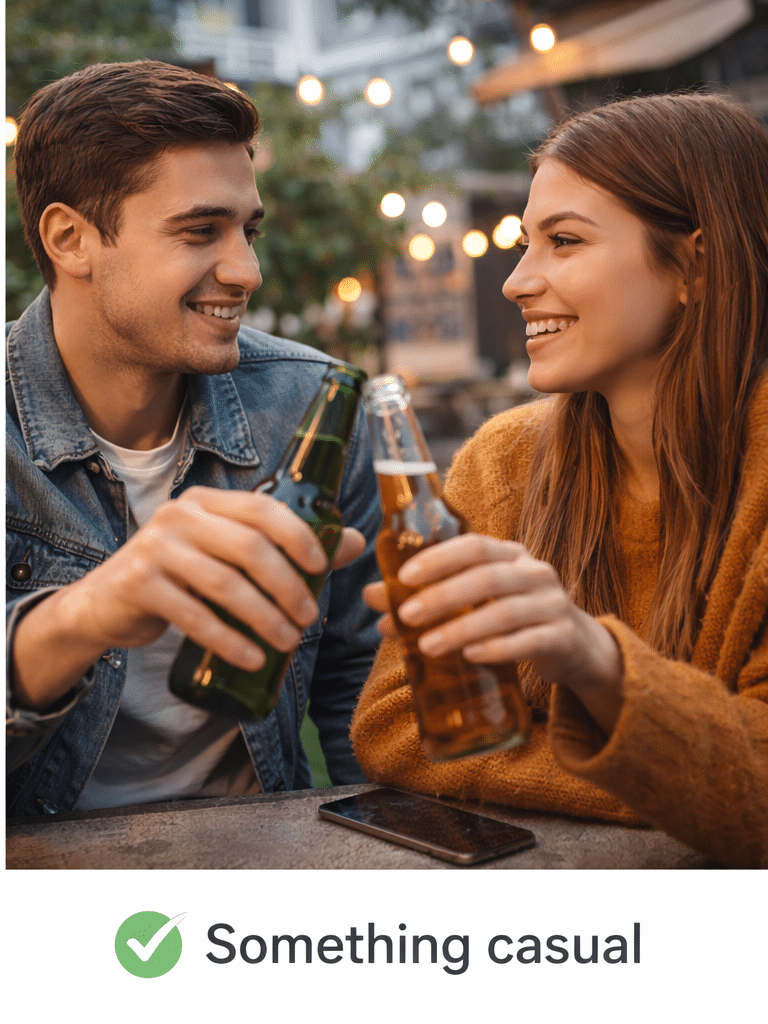
Which style catches your attention the most?





Dating, apps, people, profiles, connections — these five words define the modern search for love. In today’s hyperconnected world, dating apps have become one of the most powerful tools for building romantic relationships, friendships, and meaningful bonds. What was once considered a niche corner of the internet has evolved into a global ecosystem where millions of people interact daily, shaping how attraction, compatibility, and commitment are formed.
From famous dating apps like Tinder and OkCupid to more selective platforms such as Inner Circle and relationship-focused solutions like Hinge, the digital dating landscape is more diverse than ever. As we move closer to what many experts already call the era of the best dating apps 2026, understanding how these platforms work — and how to use them intentionally — is essential for anyone interested in modern relationships.
The rise of dating apps in the digital age
The growth of the internet dating app market did not happen overnight. It is the result of cultural shifts, technological advances, and changing social behaviors. As smartphones became ubiquitous, people gained constant access to platforms that allowed them to create profiles, share photos, and communicate instantly. Dating apps capitalized on this behavior by offering fast, location-based, and algorithm-driven ways to meet others.
Today, popular dating apps are no longer just about casual encounters. While early platforms emphasized quick matches and surface-level attraction, modern apps increasingly focus on compatibility, shared values, and long-term potential. This evolution reflects a growing demand for deeper connections in an otherwise fast-paced digital environment.
How dating apps actually work
At their core, dating apps are built around profiles and preferences. Users create a digital representation of themselves through photos, bios, prompts, and personal details. Algorithms then use this information to suggest potential matches based on factors such as location, interests, behavior, and stated intentions.
Some platforms rely heavily on swiping mechanics, while others encourage slower, more deliberate interactions. A match dating app typically requires mutual interest before messaging becomes available, which helps reduce unwanted interactions and creates a sense of shared intention.
While the technology behind these apps is complex, their success ultimately depends on human behavior. The way people communicate, respond, and engage with profiles determines whether online interactions turn into real-world relationships.
Tinder: the app that changed everything
It is impossible to discuss dating apps without mentioning Tinder. Often described as one of the most famous dating apps in the world, Tinder revolutionized online dating by popularizing the swipe-based interface. Its simplicity made dating apps accessible to a massive audience, transforming how people approach romantic discovery.
Although Tinder is frequently associated with casual dating, it has evolved significantly. Today, many users report finding serious relationships on the platform, especially as Tinder has introduced features that allow people to clarify their intentions. This shift demonstrates how even the most mainstream apps can adapt to changing user expectations.
OkCupid and data-driven compatibility
OkCupid stands out for its emphasis on questions and compatibility scores. Instead of relying solely on photos, OkCupid invites users to answer detailed questionnaires about values, beliefs, and lifestyle preferences. This data is then used to calculate match percentages, helping people find partners who align with them on a deeper level.
For users seeking substance over speed, OkCupid has long been considered one of the best free dating apps. Its approach appeals especially to people who value conversation, transparency, and shared worldviews. In a digital space often criticized for superficiality, OkCupid demonstrates how structure and intention can improve online dating experiences.
Inner Circle: exclusivity and intention
Unlike open platforms that allow anyone to sign up instantly, Inner Circle positions itself as a more curated dating environment. Profiles are reviewed, and the app targets professionals who are serious about relationships and social compatibility.
Inner Circle reflects a growing trend in the dating world: quality over quantity. Many users are willing to trade a smaller pool of matches for a higher likelihood of meeting someone compatible. This makes Inner Circle especially attractive to those searching among the best dating apps for serious relationships, where shared lifestyle and long-term goals matter more than sheer volume.
Hinge and the focus on meaningful connections
Often marketed as “the app designed to be deleted,” Hinge has built its identity around fostering real relationships. The hinge dating app encourages users to interact with specific parts of a profile, such as prompts or photos, which naturally leads to more thoughtful conversations.
Hinge’s design discourages endless swiping and instead promotes engagement and authenticity. For many people, this balance makes it one of the best dating apps for turning online interactions into offline connections. Its steady growth also positions it strongly among predictions for the best dating apps 2026, especially as users continue to prioritize emotional depth.
Free vs. paid dating apps: what really matters
One of the most common questions people ask is whether paid dating apps are better than free ones. In reality, both models have strengths and limitations. Best free dating apps often offer generous functionality, allowing users to match, message, and explore without financial commitment. Paid features usually enhance visibility, filtering, or control rather than fundamentally changing the experience.
What matters most is not the price, but how well the app aligns with a user’s goals. Someone looking for casual conversations may thrive on large, free platforms, while someone seeking commitment may prefer apps that emphasize intentionality, even if they include premium options.
The psychology behind profiles and attraction
Profiles play a central role in dating apps, acting as the first impression in a digital space. Photos, tone of writing, and even prompt responses influence how others perceive a person. Research shows that authenticity consistently outperforms perfection — profiles that feel real tend to generate more meaningful connections.
People are also drawn to familiarity. Algorithms often reinforce this by suggesting matches with similar backgrounds, interests, or values. While this can increase comfort and compatibility, it also raises questions about diversity and openness. Being aware of these dynamics helps users make more conscious choices.
Safety, privacy, and trust in dating apps
As dating apps grow, concerns about safety and privacy remain central. Reputable platforms invest heavily in verification tools, reporting systems, and data protection measures. Still, users must take responsibility for protecting their personal information and meeting new people cautiously.
Trust is built gradually, even in an online environment. Video calls, in-app messaging, and public first meetings all contribute to safer dating experiences. The best apps understand that emotional and physical safety is foundational to successful connections.
Dating apps and the future of relationships
Looking ahead, dating apps are likely to become even more personalized. Advances in artificial intelligence and behavioral analysis may allow platforms to better understand communication styles, emotional needs, and relationship goals. This evolution will likely redefine what we consider popular dating apps in the coming years.
At the same time, users are becoming more intentional. Many people now approach dating apps not as games, but as tools — tools that require self-knowledge, clarity, and emotional maturity. This cultural shift suggests that the future of online dating may be slower, more conscious, and ultimately more fulfilling.
Choosing the right dating app for you
With so many options available, choosing the right dating app can feel overwhelming. The key is to start with your own intentions. Are you looking for something casual, exploratory, or deeply committed? Do you value speed, depth, or exclusivity?
Apps like Tinder offer scale and accessibility, OkCupid provides analytical matching, Inner Circle emphasizes lifestyle alignment, and Hinge focuses on relationship-building. Each represents a different philosophy of connection, and none is universally “better” — only better suited to specific needs.
Conclusion
Dating apps have fundamentally reshaped how people meet, communicate, and form relationships. From swiping through profiles to building genuine connections, these platforms reflect both the possibilities and challenges of modern love. As technology continues to evolve, dating apps will remain a central part of how people navigate intimacy in a digital world.
Whether you explore famous dating apps or niche platforms, the most important factor is how you use them. With intention, honesty, and self-awareness, dating apps can move beyond fleeting interactions and become powerful tools for meaningful connection — now and well into the future.