Anúncios
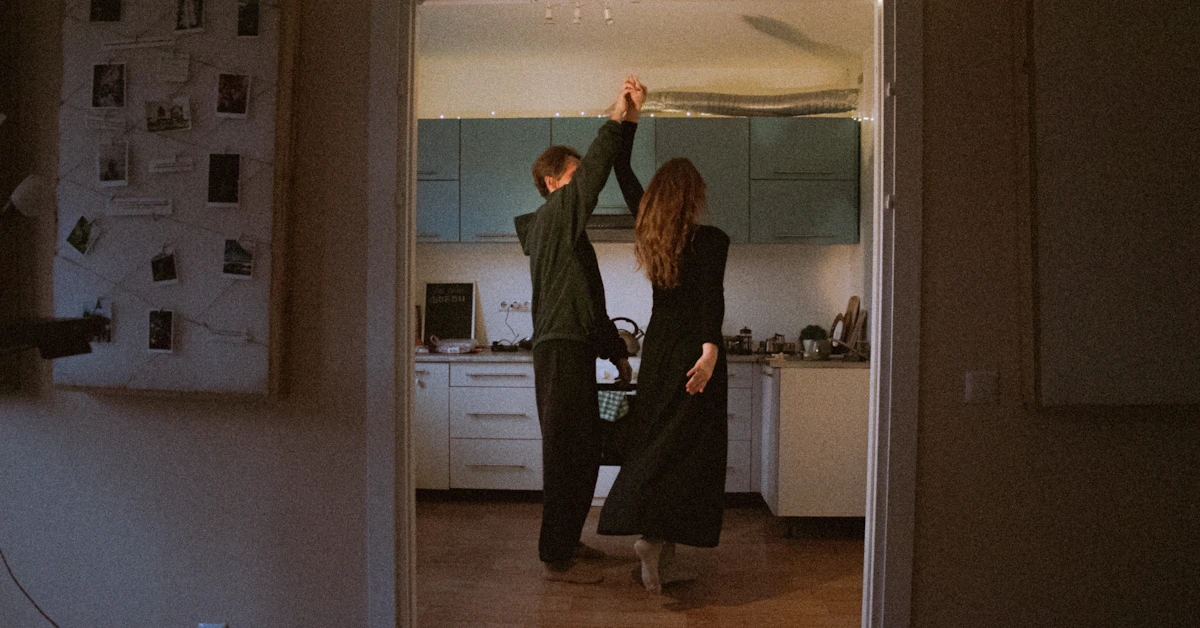
Asking your partner to dance is more than just a fun evening. It’s a chance to strengthen your bond. This article highlights why taking him to dance is beneficial. You’ll learn about both the fun and practical aspects of a dance date. Dancing together is an easy, affordable way to bring joy, closeness, and a spark back into any relationship phase.
It doesn’t matter if you’re just starting out, have been together for years, or feel shy about dancing. The suggestions here are easy to follow and meant for everyone. You’ll see proof from studies on how physical touch affects happiness in relationships. We also have tips from relationship experts and dance professionals from the American Association of Teachers of Dance.
Anúncios
In this guide, you’ll discover how to suggest dancing, steps to get started, and encouragement to increase your confidence. All through dancing, you can enhance your relationship in a simple, enjoyable way. We offer easy ways to ask, examples from real life, and science-supported benefits to show why dancing together helps you connect more deeply.

Grindr
Key Takeaways
- Dancing offers measurable emotional and physical benefits that strengthen relationships.
- It’s a low-cost, accessible activity suitable for new couples and long-term partners alike.
- Couples dancing improves mood, nonverbal communication, and intimacy.
- Actionable tips and beginner-friendly moves make starting easy and low-pressure.
- Later sections include research summaries and expert voices to support each benefit.
Why Dancing Together Sparks Romance
Dancing together makes an ordinary night special, bringing two people closer. As they learn steps and move together to music, both must trust and open up. This makes dancing a powerful way to connect emotionally and build lasting relationships.
Emotional connection and shared vulnerability
Couples learning to dance reveal themselves without needing words. Brené Brown’s research points out how being open raises trust levels. When couples fumble through a dance and laugh at slip-ups, they feel less pressure. This helps them accept each other, growing closer emotionally.
Nonverbal communication that deepens intimacy
Dance creates a language of touch, eye contact, and coordinated movement. This silent intimacy is seen when couples lead and follow, offering a hand or a calm break. Research shows better nonverbal cues lead to happier relationships. Dancing helps partners understand each other’s quiet signals, improving communication all around.
Creating memorable experiences that bond couples
Couples build their story through shared joys. A first dance, an impromptu spin, or a fun flub at a party can become a precious memory. These novel, slightly challenging moments release dopamine, making them memorable. By gathering these experiences, couples strengthen their bond and their sense of unity.
- Try a short lesson together to create a new shared story.
- Pick a song that matters and make it a recurring memory.
- Mix easy moves with playful risks to build comfort and excitement.
Advantages of Taking Him to the Dance Floor Fun Benefits
Going dancing is not just a way to spend an evening. It offers quick benefits in mood and closeness. Here are three main reasons why dancing together can be like hitting the reset button for your relationship.
How dancing reduces stress and boosts mood
Dancing to music makes you happy and relaxed. Studies have found that dancing lowers the stress hormone after just a short time. By combining music and movement, dancing is a top activity for couples to feel happier quickly.
Physical closeness and oxytocin release
Dancing with a partner involves gentle touches that increase oxytocin and make you feel connected. This “cuddle hormone” helps build trust and lowers stress while dancing. Studies show tight physical contact enhances attachment and feelings of safety among couples.
Improved confidence for both partners
Mastering dance moves and supporting each other boosts self-esteem. Partners celebrate their progress and motivate one another. This experience helps both feel more confident in social settings and more positive about their bodies.
Types of Dance Dates That Strengthen Relationships
Choosing a good dance date brings newness and depth to your time together. You’ll find options here that fit any mood, skill, or schedule. They let couples bond through the magic of touch, beat, and joint amusement.
Casual nights at clubs and community gatherings
Salsa and swing events, along with venues featuring live music, provide a fun, stress-free setting. You’ll get to enjoy a blend of dancing freely, music sets, and meeting new dance partners. Remember to ask nicely to dance, say thanks, and leave the dance floor during breaks.
Events in the community help couples polish how they guide and follow each other. They’re perfect for understanding your partner better and trying new moves in a relaxed atmosphere.
Structured classes for learning as a team
Weekly dance classes help couples grow and aim for common goals. Classes usually last from 45 to 90 minutes, mixing exercises, dancing together, and tips from teachers. Places like Arthur Murray and Fred Astaire Dance Studios, local schools, and colleges have courses in dances like ballroom and tango.
Learning together builds trust and ensures time well spent. Joining the same class means celebrating progress and working through challenges side by side.
Quiet slow dances for intimate moments
Slow dancing shines in a soft, attentive setting. Dancing slow at home, during a wedding, or outdoors under the night sky offers a chance for close contact and looking deeply into each other’s eyes. Simple movements make these moments easy and sweet.
When dancing closely, it’s key to make sure everyone feels comfortable. Pick songs that matter to you both and always respect each other’s space to make these dances memorable and safe.
How to Invite Him to Dance Without Pressure
Asking someone to dance might make you nervous. But doing it in a relaxed way makes it both fun and easy. Pick times when he’s calm and seems open to the idea. Good moments are after dinner, when a favorite band is playing, or during a quiet evening at home. Clubs with loud music can be too much; try a community event or dancing in your living room for a more laid-back vibe.
Choosing the right setting and timing
Watch for when the conversation or music naturally pauses. If he’s happy and engaged, it’s a good sign to ask. If he seems busy or stressed, wait for a better time. Choose your music wisely: upbeat tunes for fun asks, slow melodies for more romantic moments.
Using light-hearted invitations and humor
Talk in a playful way to make it feel less serious. Say something like “Want to try a goofy twirl?” or “I’ve got two left feet—care to join?” Keep invites short and sweet. Use tips that make asking feel like a joke you’re in on together, not a big deal.
- Give him a choice: “Would you like a slow one or a silly one?”
- Add some light humor: “No pressure, just stepping on my shoes.”
- Make it about us: “Come on, let’s make a memory.”
Reading his cues and respecting boundaries
Pay attention to how he reacts and what his body does. Hesitation, crossing his arms, or giving a brief reply might mean he’s not into it. But if he smiles, seems relaxed, or leans in, he might be interested. If he says no, be nice about it. Suggest something else like a slow dance later, taking a dance class together, or just holding hands.
- Wait for a small pause or smile before getting closer.
- Ask in a simple way: “May I invite you to dance?”
- Take any answer gracefully, without making it awkward.
Learning to invite him to dance is about being brave yet understanding. Choose moments wisely to grow trust. Always respect his space to keep things comfortable and fun. With casual and adaptable invites, you create relaxed dates that bring you closer.
Practical Tips for Beginners and Nervous Partners
Begin with simple steps and keep it fun. If you’re new to dancing, choose a couple of moves and aim for slow, steady progress. Practicing for short periods at home can build your confidence. Start with a simple dance routine at home before heading to crowded places. This helps reduce nerves and makes dancing more enjoyable.
Simple steps and moves to start with
Try these beginner-friendly dance steps for couples. They’ll help you get used to the rhythm and how to connect with your partner.
- Two-step: Step to the side, bring your feet together, and then step to the side with the other foot. Keep this up to the beat of most pop or country music.
- Box step: Step forward, then to the side, and bring your feet together; do the reverse to get back. This step matches slow to mid-tempo songs well.
- Basic salsa timing: Step on 1, pause on 2, step on 3; then do the same starting on 5. Keep your knees soft and count out loud to help.
- Simple sway for slow songs: Gently shift your weight from one foot to the other while you’re close. Use your chest to guide the movement.
Practice in short, five to ten minute sessions. Short, frequent practices help build muscle memory faster.
How to lead or follow comfortably
Having the right posture makes a big difference. Stand up straight, relax your shoulders, and keep a soft but firm connection with your partner through hands and body. Leaders need to signal gently and clearly. Followers should react smoothly, avoiding any sharp movements.
- Leaders: Hold hands lightly, use your body to guide, and signal directions early. Keep eye contact gentle and supportive.
- Followers: Keep your posture light and attentive, focus on the leader’s body, and be mindful of your footwork. If something’s not clear, ask about it when you’re not dancing.
- Resources: Consider beginner dance classes at local studios, follow online tutorials like DanceTutorialsLIVE on YouTube, or check out apps for learning the steps.
Preparing a playlist and choosing comfortable attire
Make a playlist that has both fast and slow songs. Include various genres like classic rock, Motown, salsa, and modern pop to match different dances. You can find ready-made playlists on Spotify or Apple Music with themes such as “couples dance.”
Choose what you wear carefully to stay focused on your dance. Opt for shoes that support your feet but have a bit of slide, clothes that let your skin breathe, and layers for when you get warm or cool. Stay away from slippery spots and sharp accessories to avoid accidents.
Dance as a Tool for Long-Term Relationship Health
Dancing regularly helps couples stay connected, especially when busy. Planning dance nights or classes can give them quality time together. Studies show small, consistent actions make partners feel loved and secure.
Regular shared activities to maintain connection
Dancing can be key for a strong relationship. Setting a regular date, like salsa on Saturdays or swing dance on Tuesdays, helps. It turns the little free time into a commitment to each other. Such activities build teamwork, memories, and a shared identity that keeps couples close.
Using dance to work through stress and communication gaps
Dancing offers couples a way to bond without words after a hard day. Moving together lowers stress and adds fun back. It sets a positive stage for discussing tough topics. After dancing for 20 minutes to relax, a calm conversation can follow.
Setting dance date rituals and keeping romance alive
Simple dance rituals can help keep your love life exciting. Try planning a salsa night every first Sunday, taking a ballroom class monthly, or making an anniversary playlist for a slow dance. These rituals build excitement and a sense of journey together.
- Rotate styles to preserve novelty: try tango one month and swing the next.
- Use travel to expand rituals: attend a weekend dance festival or workshop.
- Invite friends for occasional group nights to refresh shared hobbies couples enjoy.
Couples who view dance as both fun and a form of practice see big benefits. They experience connection, less stress, and more love, similar to couples in dance therapy. Small, regular dance rituals help keep the romance alive without feeling pressured.
Real-Life Stories and Research Backing the Benefits
Short accounts from everyday couples highlight the power of movement and touch. Many share how dance classes have become a place to bond. Nervous partners find confidence growing with every step. Long-standing couples see dance as a way to keep the spark alive.
Anecdotes from couples who dance together
Stories from different couples reveal common themes. After trying an Arthur Murray lesson, many feel more connected. Some, previously shy of dancing in public, now enjoy social dances. Committing to weekly dance sessions brings fun and stops the focus on being perfect.
Studies on physical touch, movement, and relationship satisfaction
Research shows affectionate touch improves relationships. Studies in Emotion and the Journal of Social and Personal Relationships find dancing together strengthens bonds. Public health studies suggest dancing boosts mental health and happiness.
Expert quotes from relationship counselors and dance instructors
Therapists emphasize the importance of being present and open. Dance instructors talk about the significance of nonverbal communication and clear guidance. They advise starting simple, focusing on comfort, and making it enjoyable.
- Tip from therapists: Treat a class as a discussion without words.
- Tip from instructors: Concentrate on the connection, not intricate steps.
- Tip from couples: Acknowledge each improvement and laugh at slip-ups.
Conclusion
Dancing together has many perks. You can bond emotionally, feel less stressed, grow closer, and boost your confidence together. Sharing fun dance moments can help keep your relationship strong over time. Plus, you’ll find yourselves communicating better, laughing more, and feeling more connected.
Start with one simple action. Maybe pick a slow song for tonight. Or sign up for a dance lesson, or find a dance night event. These small steps can bring to life the wonderful benefits of dancing together. Remember to be patient and see this as fun time spent together, not a performance.
The most important thing about dance dates is the connection they build, not being perfect. Dance dates are a chance to be playful and grow together, so approach them with joy and respect. If you need help getting started, look back for tips on asking him to dance, simple moves to try, and song ideas. This will make your first steps fun and easy.
Content created with the help of Artificial Intelligence.